eyk0p
January 20, 2026
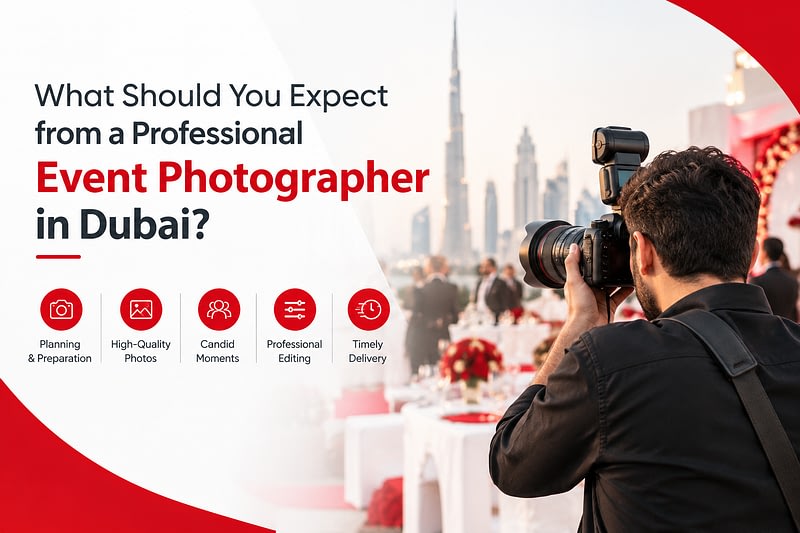
Event photography is about capturing meaningful moments that tell the story of an event. Whether it is a corporate gathering, wedding, or concert, professional photos help preserve memories and create strong visual value for brands and individuals. Well-captured images can be used for marketing, social media, and future promotions, making event photography a powerful business tool. A skilled approach ensures emotions, details, and key moments are documented the right way.
In this article, you will learn essential event photography tips and creative ideas that help you shoot with confidence, stay prepared, and deliver photos that clients truly value. You will also gain practical insights into handling real event challenges, improving visual storytelling, and creating images that work well for marketing, branding, and long-term use.
Expert event photography begins long before the event starts. Learn the purpose of the event and what the client expects. Is it a corporate conference, a birthday party, or a product launch? Ask about key moments such as speeches, awards, or special guests. Create a short shot list so nothing important is missed. When you understand the flow of the event, you can plan your angles and timing better.
Getting to the venue early gives you a strong advantage. You have time to walk around, study the lighting, and identify the best spots for photos. Notice where natural light falls, which areas are too dark, and which backgrounds look clean and appealing. Take a few test shots to adjust your camera settings in advance. Arriving early also reduces stress and allows you to start the event feeling prepared and confident.
The lighting at events changes quickly, so your camera settings should be easy to adjust and ready for any situation.
Manual or aperture priority mode gives you better control in fast-changing light. You can quickly adapt exposure without losing consistency in your shots.
Keep ISO as low as possible for clean images, but don’t hesitate to raise it in low-light environments. A slightly grainy image is always better than one ruined by motion blur.
Events are full of movement. Using a faster shutter speed helps freeze action, capture expressions, and keep your photos sharp during key moments.
Many events take place indoors or at night. Learning how to shoot in low light is essential. Use lenses with wide apertures like f1.8 or f2.8 to let in more light. Avoid direct flash when possible, as it can look harsh. Bounce flash off walls or ceilings for softer light. If flash is not allowed, rely on ambient light and steady hands.
Focusing on real emotions helps create authentic and memorable event photos. Genuine interactions often tell a stronger story than posed shots and connect better with viewers.
Think like a storyteller. Capture wide shots that show the full scene, medium shots that show interaction, and close-ups that show details. Photograph decorations, food, signage, and small details. These images help create a complete visual story of the event.
Strong composition makes a big difference in event photography. Simple techniques like the rule of thirds help create balanced and natural-looking images. Use elements such as doorways, windows, or people to frame your subject. Always watch the background and remove distractions when possible. Clean and well-framed shots keep attention on what truly matters in the photo.
A professional event photographer blends in while staying approachable. Smile and be polite. Guests feel more comfortable when you respect their space. When needed, ask permission for close shots. Good communication helps you capture better expressions and natural poses.
Organization is often ignored, but very important. Use dual memory cards if possible to avoid data loss. Change batteries before they die. After the event, back up your photos immediately. Sort and select the best images before editing. This saves time and improves delivery quality.
Editing should enhance photos, not change reality. Adjust exposure, contrast, and color balance carefully. Keep skin tones natural and consistent. Avoid heavy filters. Clean and simple edits look professional and age better over time. Clients trust photographers who deliver realistic results.
If you want your event covered with creativity, experience, and attention to detail, working with a skilled professional makes all the difference. For high-quality event photography that focuses on storytelling and authentic moments, you can get in touch with Shahid Adams, a trusted event photographer known for delivering polished and impactful results. Choosing the right photographer ensures your event memories are captured with style and professionalism.
Creative techniques make event photos more engaging and memorable. Using a slow shutter speed during dancing or live performances adds motion blur that creates energy while keeping the subject sharp.
Reflections from mirrors or glass help capture unique angles and add depth without extra gear. Silhouette shots work well in strong backlight or at sunset, creating dramatic and emotional visuals.
Black and white photography enhances storytelling by removing distractions and highlighting expressions and genuine moments, giving your event gallery a timeless look.
Event photography requires skill, preparation, and creativity. By following these 11 essential event photography tips and creative ideas, you can improve your results and build trust with clients.
Stay prepared, observe moments carefully, and focus on storytelling. With practice and experience, your event photography will stand out and deliver lasting value.
Looking for a brilliant photographer to capture your space?
Get in touch with us today for a free quote — let’s bring your vision to life!
Shahid Adam is photography and videography studio in Dubai. Photographer in Dubai makes amazing photos and videos for all your needs with creative skills & modern tools.